

Rotary drilling rig construction is an advanced piling construction method. Rotary drilling rig construction has many advantages such as large output torque, large installed power, large axial pressure, flexible rotation, high construction efficiency, environmental protection, low noise, high degree of mechanization, and high quality of bored holes. Currently, rotary drilling rigs have become the most ideal piling machinery for hole boring operations in building foundation engineering.
We have conducted a failure analysis of rotary cutting picks. The main failure forms are wear and the detachment of pick heads. The main causes of failure are insufficient bending strength of the alloy, poor wear resistance of the alloy, and poor fatigue resistance. The performance of the cutting picks can be enhanced and their service life can be prolonged by improving the purity of raw materials, optimizing the forming and sintering process, changing the alloy composition, controlling the grain size of the alloy, and adopting a heat treatment process that integrates welding and quenching. Visit www.weircuttingpicks.com to learn more.
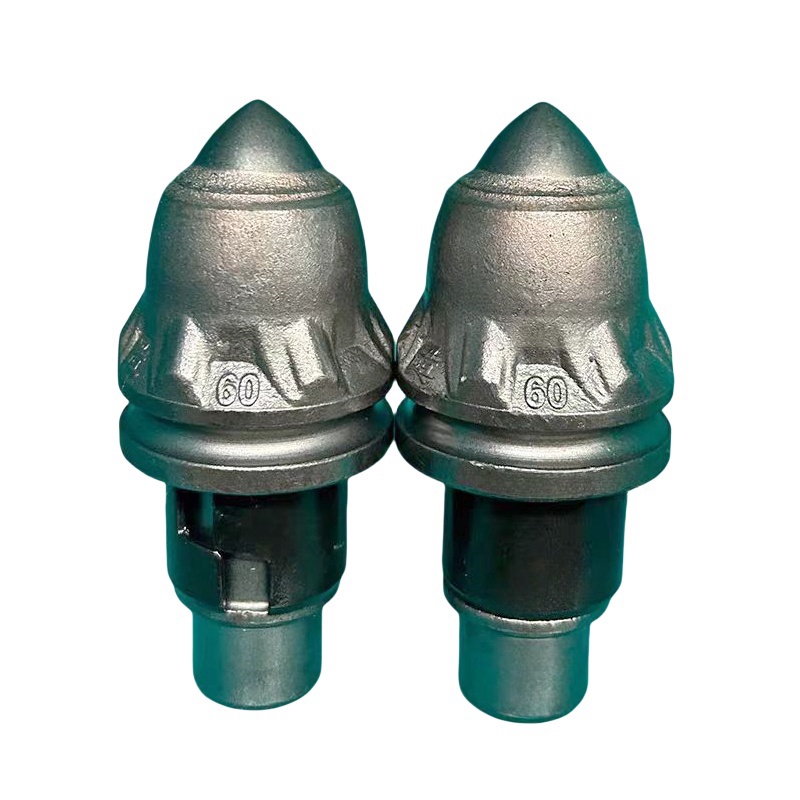
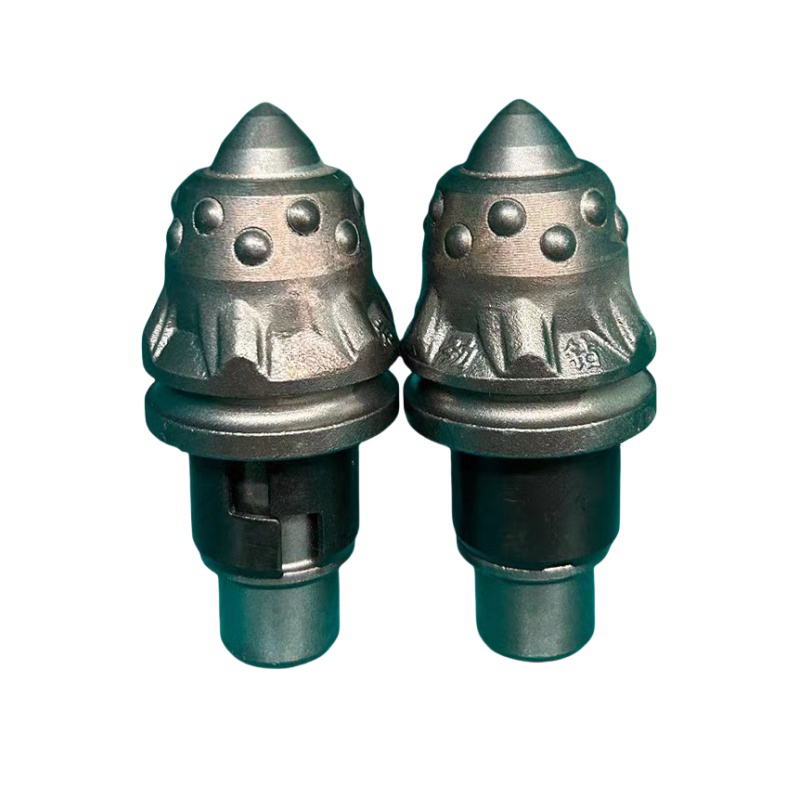
1.Failure forms of rotary digging teeth
Rotary drilling rig teeth are subjected to high cyclic compressive stress, shear-bending stress, cyclic or sudden impact loads, thermal stress, and wear when cutting hard strata. Although the hardness of the strata is not high, hard minerals such as coal gangue and quartz are often encountered. The main failure forms of rotary drilling bucket teeth during use include alloy fragmentation, wear, and fracture.
2. Selection of Hard Alloy Materials
The material selection for rotary drilling teeth must meet certain strength and hardness requirements, where strength mainly refers to bending strength and tensile strength. Of course, the teeth also need to have high impact toughness. During the research process, materials with relatively higher requirements are usually chosen as the material for the teeth. Weir rotary cutting picks are made of high-quality tungsten cobalt alloy materials.
3. Design and Manufacturing of Rotary Drilling Picks
(1) For the design of rotary drilling picks, in addition to the reasonable design of their geometric shapes, the dimensions, corresponding assembly parameters, arrangement of picks, and corresponding parameters during cutting should also be matched and designed. It is necessary to ensure that during the use of rotary drilling picks, the hard alloy picks can be evenly stressed during work, with their wear degrees as similar as possible, to guarantee the smoothness of the movement process, further improve the working efficiency of the picks, minimize the possibility of wear and damage to the picks, and thereby enhance the reliability of the picks.
(2) During actual operation, a detailed study and analysis of the actual situation are required. Targeted experiments should be conducted based on the actual geological conditions of the mining area to further determine the hardness coefficient of the rock mass and related data. Based on the data obtained from the experiments and the relevant hardness index, picks and alloy tips of different grades and models should be selected for actual mining work to ensure the maximum service life of the picks, avoid unnecessary losses, and ensure the smooth progress of the mining work while improving the impact resistance.
(3) In the actual use process, there are certain requirements for the selection of the material of the pick body. Generally, high-quality alloy structural steel with relatively good forging performance should be used. The commonly used material is 35CrMnSi. This material, after quenching and tempering in actual operation, has a relatively high fatigue limit and improved impact resistance. However, it also has certain defects, mainly the obvious tempering brittleness defect. Therefore, 42CrMo material is selected as the material for the pick body to overcome the above-mentioned defects. After quenching and tempering, the comprehensive performance is improved, and the tempering brittleness is eliminated. Compared with other materials, this material is more suitable as the material for the pick body. During the manufacturing process, production should be carried out strictly in accordance with the design and process requirements to ensure that the dimensions between the pick seat and the pick meet the fit tolerance, ensuring that the hard alloy pick can rotate freely and flexibly in the corresponding pick seat and avoiding the phenomenon of uneven wear of the pick during operation, thereby ensuring the sharpness of the pick and the realization of the self-sharpening function.
(5) Weir has developed an ultra-wear-resistant layer material for picks by adopting a welding and quenching integrated production process technology. The heat treatment method of Weir picks is very advanced. We use vacuum furnaces for heating, and the brazed picks are directly quenched without air cooling. Brazing and heat treatment are completed in one process, thereby improving the performance of the picks and reducing losses.